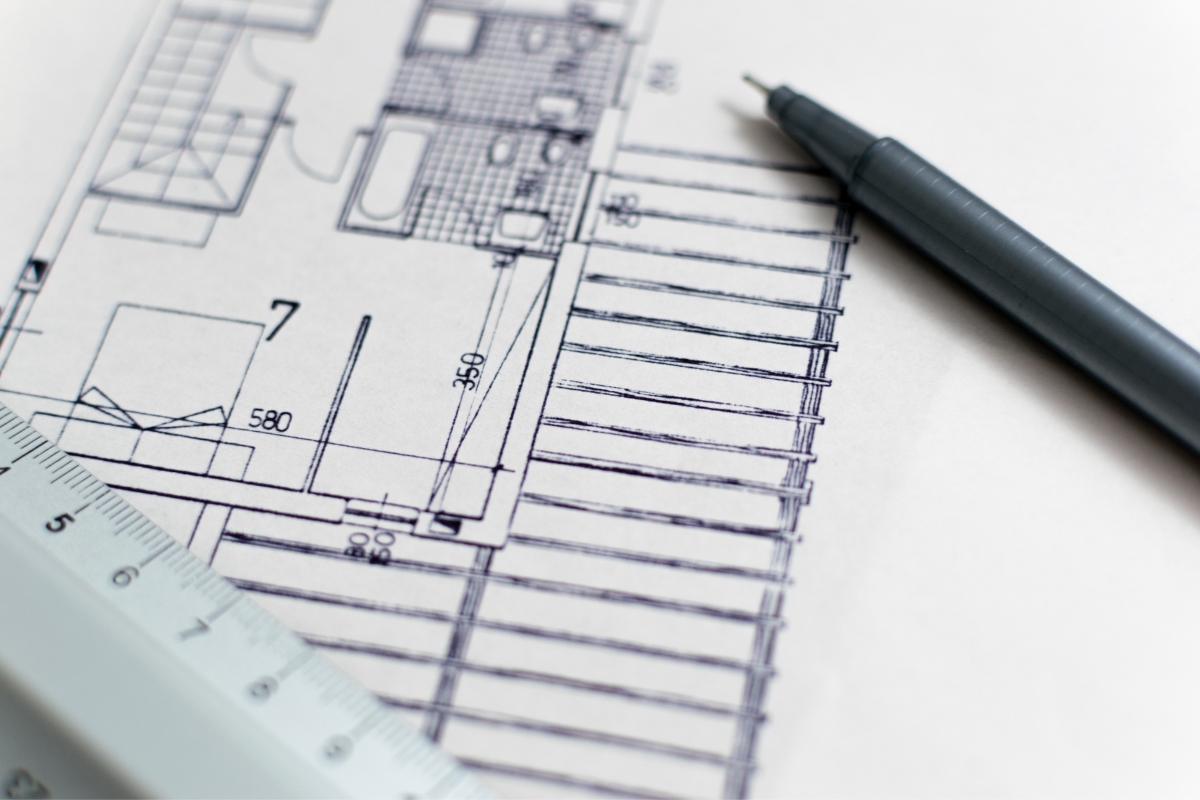

Embarking on the journey of home ownership in the UK can be both exhilarating and daunting, especially for first-time buyers. With so many properties to choose from, knowing what to look for during viewings is crucial. This isn’t just about aesthetics; it’s about seeing beyond the surface to ensure your investment is sound. As you tour potential homes, keep an eye out for structural details, the condition of essential systems, and signs that may require future repairs. Yet, viewing a property is just the first step. Understanding the importance of surveys cannot be overstated; they provide vital insights that can save you from costly pitfalls down the line. In this guide, we’ll explore essential tips that will empower you during viewings and explain why investing in professional surveys is a must for safeguarding your future as a homeowner. Let’s dive in and equip you for this exciting new chapter!